About Us
NODC empowers the North Olympic Peninsula to pursue and invest in its own economic and environmental destiny through:
- Cross-jurisdictional regional planning for economic development and community and environmental resilience
- Support for economic development in key sectors such as farm and food, forest products, marine trades, and the innovation economy
- Development of economic building blocks such as broadband, workforce development, and energy resilience
- Convening discussions and building broad partnerships and collaborative projects to address key needs and opportunities
Our Mission & Vision
Mission
Empower the North Olympic Peninsula to pursue and invest in its own economic and environmental destiny.
Vision
The economy and cultures of the North Olympic Peninsula have long been shaped by and dependent upon the abundant natural resources of the area. The natural ports, agricultural soils, rich forests, and fisheries of Clallam and Jefferson Counties have provided livelihoods for generations of residents. Olympic National Park, which occupies the center of the Peninsula, has been designated an UNESCO World Heritage Site and International Biosphere Reserve, drawing more than 3.5 million visitors to the region each year. The region is part of the traditional lands of the S’Klallam, Makah, Hoh, Quileute, Chemakum, and Quinault peoples and is the current home to the Jamestown S’Klallam, Lower Elwha Klallam, Makah, Hoh, Quileute, and Quinault Tribal nations. In recent years, fluctuations in the availability of natural resources, impacts from global market forces, extreme weather events, and the COVID-19 pandemic have highlighted the need to build a diversified, sustainable, and innovative economy that will be resilient in the face of change.
The vision statement of NODC, the designated economic development district for the two-county region, reflects the importance of building on the many place-based assets of the region:
“Whether drawn by the extraordinary natural resources, the world-class beauty and recreation,
or the strong sense of community, many people and businesses are here because they want to be
here, and that drives a particular kind of investment and engagement. Businesses here are deeply
invested in the workers and families they support, in helping their neighbors, in improving schools,
in managing resources responsibly. Our vision is to build on this “Connection to Place” to create a
thriving and inclusive economy through a collaborative, triple-bottom-line approach resulting in
economic, environmental, and social prosperity.”
From this vision statement come four goals for the region’s comprehensive economic development strategy:
- A Diversified, Resilient Economy
- Opportunity and Prosperity for All
- Strengthened and Sustainable Infrastructure
- Protected and Enhanced Cultural and Natural Assets
Goal 1 builds on the region’s strengths while also supporting innovation and diversification. Goal 2 strives to create prosperity for all by connecting individuals to economic opportunity. Goal 3 ensures that the infrastructure underlying the economy is strong and sustainable. Goal 4 builds on the cultural and natural assets to sustain quality of life for all who live in the region.
Connection to place underlies the entire strategy, because it is critical to ensure that all strategies are undertaken with a respect for maintaining this sense of place and ensuring the resiliency of the natural resources on which the economy and community are built.
Council Members, Roles & Affiliations
Executive Board
Heather Dudley-Nollette
Jefferson County
President
Mark Ozias
Clallam County
Vice President
Eron Berg
Port of Port Townsend
Treasurer
Nicole Gauthier
Jefferson Transit
Secretary
Paul Jarkiewicz
Port of Port Angeles
Phyllis Bernard
Clallam County PUD
Hawk Grinnell
Jamestown S'Klallam Tribe
Beth Pratt
Sequim-Dungeness Valley Chamber of Commerce
David Ballif
EDC Team Jefferson
Members
Habitat for Humanity of Clallam County
Jefferson Community Foundation
North Hood Canal Chamber of Commerce
Northwest School of Wooden Boatbuilding
Pacific Northwest National Laboratory
Port Angeles Business Association
Sequim-Dungeness Valley Chamber of Commerce
The Food Co-op of Port Townsend
For information about membership, contact Karen Affeld at karen@noprcd.org.
Staff
Karen Affeld
Executive Director
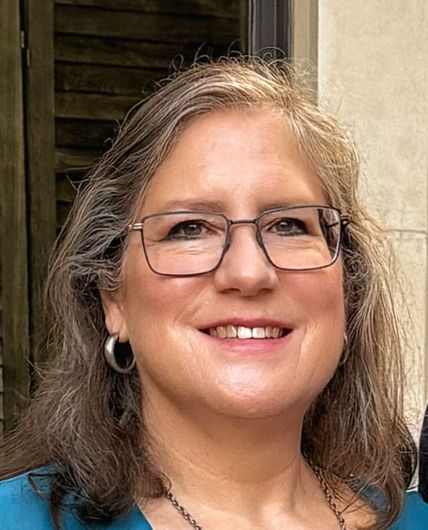
Karen Affeld has more than 25 years of experience in rural development, fundraising and non-profit administration in natural resource based communities. Having worked in the public, private and non-profit sectors, she brings a diverse skill set to projects where common ground can be difficult to identify. She specializes in collaborative, multi-stakeholder projects and rural economic and community development.
When not meeting with partners or writing grant proposals, she enjoys spending time with her horses and dogs and exploring the Olympic Peninsula. She holds Bachelor's and Master's degrees from Louisiana State University in Baton Rouge. Contact Karen at karen@noprcd.org.
Angela Glore
Community Development Program Director
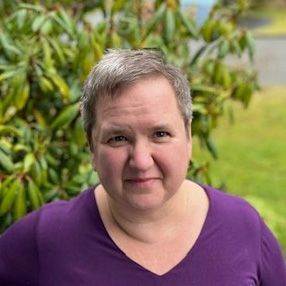
Angela Glore has lived in rural and remote communities in California, Alaska, and Washington for almost 20 years and is passionate about advocating for rural places. She has worked in non-profit organizations, local government agencies, and for-profit consulting since 2010. She has experience facilitating diverse coalitions to make lasting community change; grant writing; project management; and community engagement through human centered design.
Angela has lived in national park gateway communities since 2006. Since moving to Port Angeles in 2021, she has been working to remove lawn and add native plants to her yard. Angela holds a masters and PhD in anthropology from Washington University in St. Louis. Her research interests center on how people and plants interact in the past and present. Contact Angela at angela@noprcd.org.
Natalie Williammee
Recompete Program Director
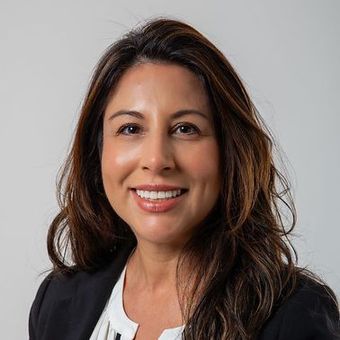
Natalie Williammee spent her early career in the Washington, DC area working in nonprofit fundraising and development roles supporting organizations focused on housing, mental health, and social services. She later spent nearly 15 years living and working overseas in Latin America managing international development programs funded by the U.S. Agency for International Development and the U.S. Department of State. Her work focused on rule of law, disability inclusion, child protection, disaster resilience, violence prevention, and community engagement in partnership with local organizations, government agencies, and community stakeholders.
Natalie is passionate about strengthening communities and building meaningful connections across diverse groups and sectors. After years of international work, she is excited to bring her experience to the Olympic Peninsula and contribute to the resilience of rural communities in Washington. In her free time, she enjoys photography, hiking, biking local trails, and exploring new paths and places throughout the Pacific Northwest. She lives in Port Townsend with her husband, children, two cats, and a dog. Contact Natalie at natalie@noprcd.org.
Amy Nash
Administration and Finance Coordinator
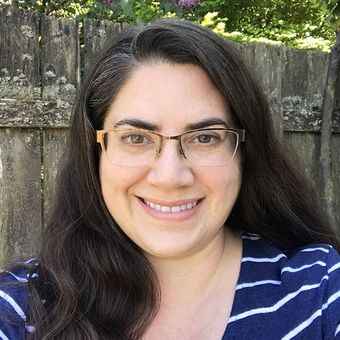
Amy Nash joined NODC in April 2021 as the Administration and Finance Coordinator. Amy brings many years of project management experience as well as a background in graphic design, photography, and publishing. She has most recently managed the art and product design departments of printing and educational development companies, and was the art director of a multi-media publishing company.
Amy grew up in the Pacific Northwest, moving to Port Angeles in 2001. She spent a number of years as a wildlife rescue and rehabilitation volunteer, including becoming certified in oil spill rescue. When not working, Amy can be found in her garden, camping, or exploring one of the Olympic Peninsula’s many beautiful beaches. Contact Amy at amy@noprcd.org.
Teagan Darmody
WA Sea Grant Coastal Resilience Fellow
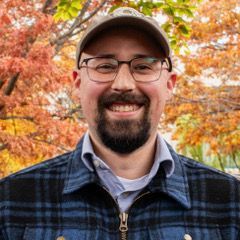
Teagan Darmody joined NODC in November 2025 as a WA Sea Grant Coastal Resilience Fellow. He helps provide additional capacity for NODC in research and moving regional climate resilience projects forward. He has lived throughout the Puget Sound region his whole life and enjoys spending time on Washington’s pacific coast. He has worked in aquaculture, logistics, GIS, and wildfire research at the University of Washington’s Pacific Wildland Fire Science Lab.
Teagan has a bachelor's degree in environmental science and resource management and dual master’s degrees in marine affairs and public administration from the University of Washington. Teagan is excited to apply his background and experience to help coastal communities build resilience and adapt to the challenges of a changing climate. Contact Teagan at teagan@noprcd.org.
Join Our Team
There are currently no open positions